
discover, grow, inspire great potential
Schantal Engelbrecht Industrial Psychologists and Associates (SEIPA) provides organisations with Industrial Psychology and Human Resource (HR) Management services.
Industrial Psychology applies psychological principles to understand and optimise human behaviour and potential in the workplace. It focuses on improving the wellbeing and performance of individuals, teams, and organisations. Industrial Psychology encompasses a wide range of areas including employee selection and assessment, training and development, job satisfaction and motivation, leadership and management, organisational culture and climate, teamwork, and collaboration. Industrial Psychologists help create healthier, more productive, and fulfilling work environments.
Human Resource Management focuses on effectively managing an organisation’s most valuable asset: its people. It involves the strategic planning and implementation of policies, practices, and programmes to attract, develop, motivate, and retain a skilled and engaged workforce. The purpose of HR Management is to ensure that the organisation has the right talent in the right positions and that employees are equipped with the necessary skills and resources to live up to their potential and contribute to the organisation’s success. By effectively managing human resources, HR Management contributes to creating a motivated, engaged, and high-performing workforce.
discover, grow, inspire great potential
Schantal Engelbrecht Industrial Psychologists and Associates (SEIPA) provides organisations with Industrial Psychology and Human Resource (HR) Management services.
Industrial Psychology applies psychological principles to understand and optimise human behaviour and potential in the workplace. It focuses on improving the wellbeing and performance of individuals, teams, and organisations. Industrial Psychology encompasses a wide range of areas including employee selection and assessment, training and development, job satisfaction and motivation, leadership and management, organisational culture and climate, teamwork, and collaboration. Industrial Psychologists help create healthier, more productive, and fulfilling work environments.
Human Resource Management focuses on effectively managing an organisation’s most valuable asset: its people. It involves the strategic planning and implementation of policies, practices, and programmes to attract, develop, motivate, and retain a skilled and engaged workforce. The purpose of HR Management is to ensure that the organisation has the right talent in the right positions and that employees are equipped with the necessary skills and resources to live up to their potential and contribute to the organisation’s success. By effectively managing human resources, HR Management contributes to creating a motivated, engaged, and high-performing workforce.
Why SEIPA?
We deliver:
- Tailored human capital solutions
- Optimised organisational efficiency
- Enhanced employee efficiency
- Target human behaviour interventions
About SEIPA
We bring:
- Quality service delivery
- Qualified, experienced, and competent team
- Excellence, collaboration, and consistency
- Psychological safety – we are on your side
Why SEIPA?
We deliver:
- Tailored human capital solutions
- Optimised organisational efficiency
- Enhanced employee efficiency
- Target human behaviour interventions
We bring:
- Quality service delivery
- Qualified, experienced, and competent team
- Excellence, collaboration, and consistency
- Psychological safety – we are on your side
About SEIPA
About SEIPA
SEIPA is a professional provider of Industrial Psychology and HR Management services to organisations. We specialise in optimising organisational performance through a deep understanding of human behaviour in the workplace. With highly skilled and experienced specialists, we assist our clients to grow, thrive, and discover great potential.
We focus on getting to know our clients to offer unique and customised solutions backed by research and data-driven analysis. We believe in building long-lasting client relationships which help everyone to grow.
We collaborate closely with our clients to understand their specific challenges and co-create solutions that drive measurable results. Our interventions are not just theoretical; they are practical and aimed at delivering sustainable improvements.
We serve a diverse range of industries, and our clients range from small organisations to large corporations, each benefiting from our personalised approach and commitment to excellence.
Vision
We are dedicated to being a solutions-oriented partner for organisations, guiding them in navigating and overcoming human behaviour challenges. We empower organisations to unlock and maximise human potential, becoming the trusted catalyst for improving both organisational and employee efficiency.
Mission
Our mission is to empower our clients through collaborative partnerships and evidence-based practices to ensure sustained excellence in both organisational and employee performance. We are committed to excellence, collaboration, and consistency. We work closely with organisations to discover, grow, and inspire great potential.
Areas of Expertise
Areas of Expertise
Organisational Efficiency
Organisational efficiency, within the context of Industrial Psychology, refers to the streamlined utilisation of resources, optimal coordination of human capital, and ensuring effective processes to maximise productivity. It involves enhancing workflow, reducing obstacles, and cultivating an environment that fosters employee wellbeing and high performance, ultimately contributing to the organisation’s overall success and growth in potential.
Employee Efficiency
Employee efficiency, within the context of Industrial Psychology, signifies an individual’s ability and potential to effectively and productively contribute to the workplace. It involves optimising skills, managing workload, and maintaining motivation, fostering a harmonious balance between organisational demands and personal wellbeing. The purpose is to enhance overall performance and organisational success.
Meet the Founder
Meet the Founder
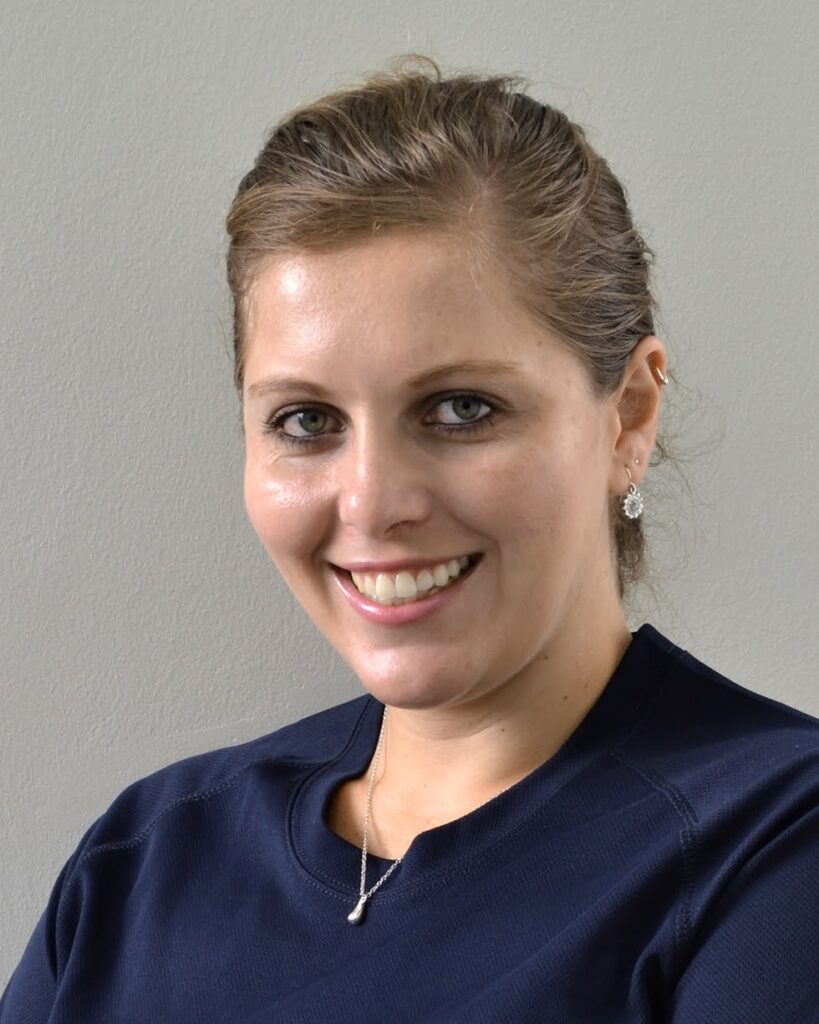
Schantal Engelbrecht
Founder and Principal Industrial Psychologist (PS 0138495)
As the founder and principal Industrial Psychologist at SEIPA, Schantal Engelbrecht brings a wealth of expertise in the field of Industrial Psychology.
In 2017, Schantal obtained an MCom Industrial Psychology degree (cum laude) from the University of Pretoria and registered at the HPCSA as an Industrial Psychologist early in 2018.
With an Industrial Psychology career spanning over eight years and an additional six years of Project Management experience, Schantal has established herself as a trusted consultant in Industrial Psychology and HR Management services. Schantal focuses on organisational efficiency and employee efficiency.
Prior to founding SEIPA, Schantal gained extensive HR Management experience working as an internal partner in Information Technology organisations. Schantal continues to empower businesses through insightful, evidence-based strategies that cultivate thriving workplaces.
Schantal and her professional team’s dedication to understanding human behaviour in the workplace have been instrumental in guiding organisations toward optimised performance and enhanced employee satisfaction. SEIPA focuses on delivering tailored solutions that align with each client’s unique needs and challenges.
Our Services
Our Services
Industrial Psychology
Organisational design is the process of defining the organisation’s structure to support the organisation’s strategy and operational needs. It involves defining career tracks, clarifying role levels, and establishing clear business units, functions, and role titles. Effective organisational design creates role clarity, supports career progression, and enables organisations to operate more efficiently and sustainably.
Competency modelling is the process of identifying and defining the specific knowledge, skills, abilities, and behaviours required for successful performance in a particular role or position. It helps organisations align their hiring, training, and development practices with desired competencies, leading to improved performance and organisational success.
Position simulation exercises are practical assessments designed to mimic real work scenarios and evaluate a candidate’s ability to perform specific position-related tasks. These exercises allow employers to observe how candidates handle challenges, problem-solving, decision-making, and interpersonal skills, providing valuable insights into their suitability for the role.
Psychometric assessments are standardised tests and questionnaires used to measure an individual’s psychological attributes, such as personality traits, cognitive abilities, and aptitudes, to assess an individual’s suitability for a role, evaluate potential, and identify development areas. It can be used for recruitment or the development of existing employees.
Accreditation:
– SHL (OPQ, Verify Ability/Aptitude)
– Thomas (PPA, GIA, TEIQue, HPTI)
– Saville Consulting (Personality, Abilities)
– cut-e/Aon (Personality, Abilities)
Team enhancement refers to the intentional efforts aimed at improving the effectiveness, collaboration, and performance of a team. It involves activities such as team building exercises, communication workshops, conflict resolution strategies, and fostering a positive team culture, ultimately leading to enhanced productivity, engagement, and overall team success.
Performance coaching is a collaborative process that involves providing guidance, support, and feedback to individuals or teams to enhance their performance and achieve their goals. It focuses on developing specific skills, addressing challenges, setting actionable objectives, and unlocking potential, leading to improved performance, growth, and success.
A climate survey is a research tool used to assess the perceptions and experiences of employees within an organisation. It gathers data on various aspects such as work environment, organisational culture, communication, leadership, and employee satisfaction. This feedback helps identify areas of strength and areas that need improvement to foster a positive and productive work climate.
Human Resource Management
Position analysis and design is a systematic process of analysing and documenting the key requirements, tasks, responsibilities, and qualifications required for a specific position. It involves gathering information through analysis methods to create a comprehensive position specification that serves as a foundation for various HR practices, such as recruitment, training, and performance evaluation.
Candidate selection is the process of evaluating and choosing the most suitable candidates for a position. It involves screening resumes, conducting interviews, administering assessments, evaluating behaviour, and assessing cultural fit. Effective selection methods help identify candidates who possess the necessary qualifications, skills, and attributes to succeed in the role.
Onboarding is the process of integrating new employees into an organisation. It includes orientation, training, and providing necessary resources to help them adapt to their roles and the company culture. Effective onboarding fosters a positive experience, enhances employee engagement, and sets the stage for long-term success in the organisation.
Probation management refers to the process of monitoring and evaluating the performance and behaviour of new employees during a probationary period. It involves setting clear expectations, providing feedback and support, identifying areas for improvement, and making decisions based on the employee’s performance in the role.
Offboarding refers to the process of transitioning employees out of an organisation when they leave their positions. It involves conducting exit interviews and ensuring a smooth transition for the departing employee. Effective offboarding helps maintain positive relationships.
Coordinate and implement skills development initiatives within an organisation. Assess training needs, develop training plans, and source training providers. Promoting employee development and meeting organisational skills objectives. Compile and submit the annual Workplace Skills Plan (WSP) and Annual Training Report (ATR) to apply for the mandatory grant. Assist with the application of discretionary grants.
HR process optimisation involves analysing and improving the efficiency, effectiveness, and value of various HR processes within an organisation. It includes streamlining workflows, standardising procedures, and leveraging technology to enhance HR operations. By optimising HR processes, organisations can increase productivity, and improve overall HR service delivery.
Every individual is a diamond with great potential to be discovered.
Every individual is a diamond with great potential
to be discovered.
Contact Us For a Free Consultation
_
- +27 (0) 84 556 7531
- info@seipa.co.za
- www.seipa.co.za
- Villieria, Pretoria (Gauteng)